hint of thyme
$10.09 - $68.25
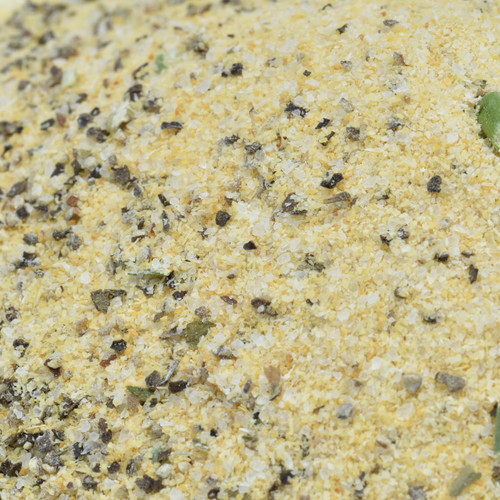
Hint of Thyme is our poultry seasoning, and the herbs do the leading: parsley, sage, rosemary, and thyme come ahead of the onion, the sea salt, and the garlic. Black pepper gives it bite, and domestic onion and garlic sit underneath for depth. These are herbs that hold up to long heat, so the blend goes on at the start of a roast or into the pot with the stock, and it carries enough sea salt to season as it cooks. We built it for poultry and potatoes. It has since earned a regular spot with pork, stuffing, and a pot of soup.
Suggested Uses
Roast Chicken or Turkey — Rub 1 tablespoon per pound over and under the skin the day before, and hold the bird loosely covered in the refrigerator. That is the bird’s salt; it works into the meat overnight while the herbs toast at the surface with the skin.
Roasted Potatoes and Root Vegetables — Toss 2 teaspoons per pound of cut potatoes, carrots, or parsnips with 2 tablespoons of olive oil and roast at 425°F until the edges turn deep gold. The herbs toast in the oil as the vegetables brown; taste one before adding salt.
Lemon and Olive Oil Marinade — Whisk 1 tablespoon into 1/4 cup of olive oil and 2 tablespoons of lemon juice for each pound of chicken or turkey. Two to four hours is plenty; the oil carries the herbs, and the blend covers the salt.
Stuffing — Sweat onion and celery in butter, then stir in 1 tablespoon per pound of bread cubes before the stock goes in. Blooming the blend in the butter first carries the sage and thyme through every cube.
Tomato Sauce for Pasta — Stir 2 teaspoons per 28-ounce can of tomatoes in at the start and simmer at least 20 minutes. The herbs soften into the sauce and give it a wooded, savory edge that suits sausage, chicken, or mushrooms; salt to taste at the end.
Breakfast Sausage — Work 2 tablespoons into each pound of ground pork until the meat turns tacky, then rest it overnight. Fry a small test patty before shaping the rest, and adjust the salt from there.
Chicken Soup — Add 2 teaspoons per quart of stock when the vegetables go in, so the dried herbs get the whole simmer. Salt at the end, once the pot has reduced and you can taste where it landed.
Ingredients: spices, domestic onion, sea salt, domestic garlic

thyme leaf, ground
$6.55 - $44.27

thyme leaf, whole
$8.63 - $63.42

hint of pepper
$10.70 - $72.33

hint of Montreal
$10.12 - $68.41
hint of garlic
$10.09 - $68.21